


LitUp - Find Your Next Date
4.43.29K Reviews
App Specs
- Version
- 1.1.2
- Updated On
- License
- Free
- Downloads
- 500,000+
- Developer
- CloudMind AI LLC
- Categories
- Social
- Platform
- Android
Screenshots
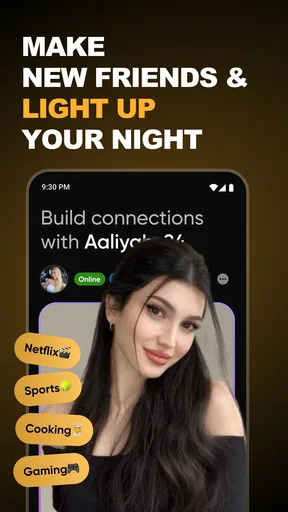
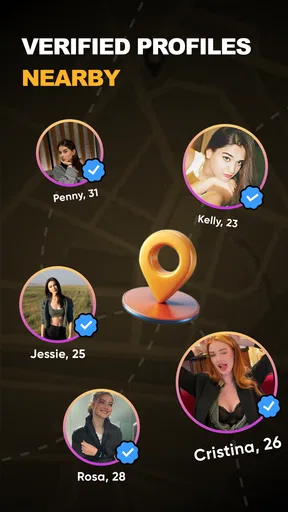
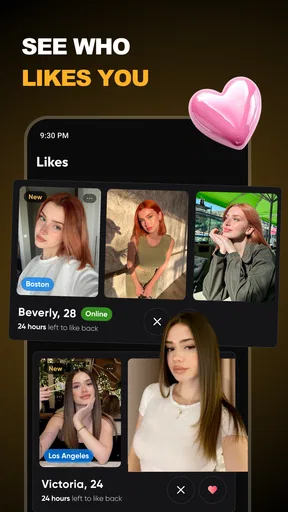
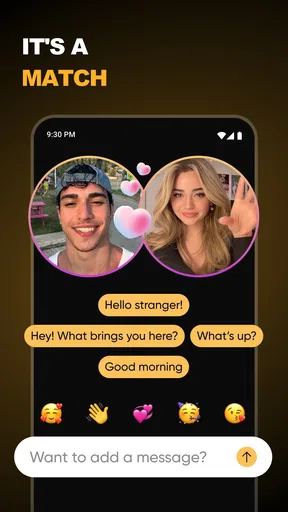

 Analysis by AppCompare
I tried LitUp as a dating app for the moment when you want to meet someone new without turning the process into a second job. Its focus is straightforward: helping people chat, discover nearby possibilities, and move toward a date. That sounds simple, but the useful question is how well the whole journey works once you move beyond the first glance. In my experience, LitUp is most interesting when treated as a complete path from browsing to conversation to an actual plan, rather than as another endless profile-scrolling service.
It belongs to the social category and comes from CloudMind AI LLC. The app is free to install, carries a Mature 17+ age rating, and supports Android devices running version 6.0 or later. Its current version is 1.1.2, and the visible response from its user base is encouraging: a 4.4 average from around 29 thousand ratings, with more than 500 thousand installs. Those figures suggest that LitUp has already attracted a meaningful audience, although a dating app’s usefulness still depends heavily on who is active around you.
From opening the app to making a realistic plan
I’ll focus on the practical handoffs that shape the experience, from opening LitUp with a clear intention to deciding whether a conversation merits a real-world plan. I’ll also look at what can slow that process down, so the next section can weigh convenience against the effort and judgment dating still requires.
The starting condition matters more than the download
Before opening LitUp, I would ask myself what I actually want from it. Someone looking for a quick way to see potential dates nearby may find the app easier to approach than a platform built around elaborate questionnaires. Someone who wants a highly structured matching system, extensive compatibility reports, or a very large international network may feel more at home with a more established alternative.
That distinction is important because “nearby” changes the experience. In a busy area, the local focus can make the app feel practical: you are not merely collecting distant conversations, but looking at people who might realistically meet. In a smaller town, the same emphasis can reduce variety. The app can still be worth trying, but I would not judge it after a single short session. A local dating service becomes more useful when enough people in your area are checking it regularly.
LitUp is aimed at adults, reflected in its Mature 17+ rating. I would therefore approach it as an adult social environment rather than a casual messaging app for everyone. That means being deliberate about the information I share, avoiding rushed plans, and treating a profile as an introduction rather than proof that a person is trustworthy.
My first pass through the discovery stage
The first useful habit is to browse with a clear filter in mind, even if the app itself does not force you to define a detailed dating strategy. I would decide whether I am prioritizing distance, a particular kind of connection, or simply a friendly conversation. Without that decision, it is easy to swipe or browse mechanically and then wonder why the conversations feel directionless.
Worth Reading Before You Choose

EA SPORTS FC Mobile 26 Is a Bigger Football Game, but It Takes Time

Flipboard Shows What News Apps Must Do Beyond the Feed

Switching to Android Auto Means Rethinking Your Driving Routine

Google Calendar Makes a Crowded Week Easier to Manage

Ludo King Makes the Most of the Minutes Between Plans

Baby Panda World Brings Quick Play to Modern Phones, but Its Game Library Feels Busy
I also recommend slowing down before starting several chats at once. A nearby match is valuable only if I can give the conversation enough attention to find out whether there is a genuine reason to meet. LitUp’s local orientation makes this especially relevant: the distance between two people can create a tempting sense of urgency, but convenience is not the same as compatibility.
One practical workflow is to divide the experience into three small sessions. In the first, I look through available profiles and note who seems relevant. In the second, I begin only the conversations that have a clear opening. In the third, I decide whether any exchange has earned a move toward a date. This keeps the app from becoming a background task and makes it easier to notice when a chat is merely filling time.
Turning a match into a conversation
The chat stage is where a dating app either becomes useful or starts feeling interchangeable. I would avoid opening with a message that could be sent to anyone. A simple reference to something visible in the person’s profile gives the other user a reason to reply and immediately tests whether they are willing to engage beyond a greeting.
My preferred approach is to ask one open question, answer it myself, and then leave space for the other person. That creates a conversation instead of an interview. If the replies stay short, arrive without any effort, or repeatedly ignore what I wrote, I would not keep pushing simply because the person is nearby. The local feature is a reason to explore a match, not a reason to overlook poor communication.
There is also a useful handoff between discovery and chat that many people rush. Before suggesting a meeting, I would look for consistency: does the person remember basic details, answer in a reasonably clear way, and show interest in my side of the exchange? I would not treat a long conversation as a guarantee of safety, but a little continuity is a better signal than an immediate invitation based only on appearance.
The handoff from chat to an actual date
LitUp’s main promise becomes meaningful only when a conversation can leave the screen. I would make that transition specific rather than vague. Instead of saying “we should meet sometime,” I would suggest a public place and a broad time window. A concrete proposal makes it easier to see whether both people are genuinely interested or merely enjoying casual attention.
For a first meeting, I would choose a busy public setting that is easy for me to leave. I would tell a friend where I am going, arrange my own transport, and avoid sharing unnecessary personal details before trust has developed. These are not special requirements for LitUp; they are sensible habits for any dating platform, especially one designed around meeting people nearby.
The handoff can also fail because the two people want different levels of commitment. One person may be ready to meet after a short exchange, while the other needs more time. I see that as a point where honest wording helps. Saying that I am interested but prefer another conversation first is better than disappearing or agreeing to a plan that makes me uncomfortable.
What the result feels like when the workflow works
A successful LitUp session is not necessarily a dramatic romantic outcome. For me, the realistic result is a conversation that has enough substance to justify a safe, low-pressure meeting. The app is useful when it reduces the distance between “I would like to meet someone” and “I have a reasonable person to talk to nearby.” It does not remove the social work involved, but it can make the first connection feel more direct.
Imagine finishing work on a weekday and wanting to meet someone locally rather than exchanging messages with people who live far away. I could open LitUp, review a small group of relevant profiles, start one or two thoughtful chats, and suggest coffee or another public activity if the exchange feels mutual. The advantage is not that every step is automatic. The advantage is that the app keeps the intended outcome in view: moving from online interest toward a possible date.
That workflow also shows why patience matters. If I treat every profile as a potential appointment, the experience becomes tiring and unsafe. If I use the app to identify a few promising conversations and then make careful decisions, it feels more manageable. The strongest result is a better-quality handoff from browsing to real-world interaction, not simply a larger list of matches.
Where the flow breaks down
The first weak point is the local audience itself. A nearby dating app can be highly convenient when the surrounding user base is active, but less satisfying when there are few suitable profiles. This is the main trade-off compared with broader dating services: LitUp’s practical focus may reduce wasted distance, while a larger platform may offer more variety and more established activity in a particular region.
The second friction point is that the app’s simple premise does not replace the need for strong profile judgment. A person can look appealing and still be a poor conversational match. I would not expect the app to decide compatibility for me. Its role is closer to opening a door; I still have to ask useful questions, notice inconsistencies, and decide whether meeting makes sense.
There is also a financial boundary to keep in mind. LitUp is free, but it includes optional in-app purchases ranging from $3.99 to $99.99 per item. I would begin with the free experience and only consider spending if I clearly understand what an optional purchase changes for my own use. Paying does not make a weak local audience stronger, and it should never be treated as a shortcut to trust or mutual interest.
Another possible break occurs when users expect the app to provide a fully guided dating process. LitUp is better suited to people who are comfortable making their own choices. If I want detailed coaching, extensive compatibility analysis, or a service that handles more of the matching logic, a different dating app may be a better fit. LitUp’s appeal is its direct route, but direct routes leave more responsibility with the user.
How I would use it without wasting time
I would start by completing enough of my profile to make a conversation possible, while keeping private information private. A useful profile should communicate the kind of interaction I want and offer at least one natural topic. The goal is not to write a biography. It is to give a nearby person a reason to begin a specific conversation.
Next, I would set a personal limit for browsing. Endless discovery can create the illusion of progress while producing no meaningful contact. I would rather choose a few profiles that genuinely interest me, send messages with context, and return later to respond properly. This is one of the less obvious advantages of a structured routine: it makes it easier to distinguish curiosity from real interest.
During chat, I would watch for balanced effort. A good sign is not simply fast replies; it is whether both people contribute questions, details, and ideas. I would also move toward a modest plan when the exchange feels comfortable instead of allowing a promising conversation to remain indefinite. A short public meeting can answer questions that weeks of messaging cannot, provided both people agree freely and safely.
If a conversation becomes uncomfortable, confusing, or pressuring, I would end it rather than trying to rescue the match. The fact that someone is local should never outweigh a clear personal boundary. I would also avoid sending money, accepting unusual requests, or sharing sensitive account information. These precautions are especially important in any app where the intended outcome is an offline meeting.
Who should try it, and who should choose something else
I think LitUp is a good candidate for adults who want a straightforward social dating app with a nearby emphasis. It suits someone who prefers to take an active role: browsing thoughtfully, starting conversations, judging compatibility, and arranging a meeting when the timing feels right. It may also appeal to people who are tired of conversations that can never become practical because of distance.
I would be more cautious about recommending it to someone who lives in an area with limited dating-app activity or who needs highly detailed matching tools before speaking to anyone. It is also not ideal for a person who dislikes initiating conversations or making plans. The app can help create an opportunity, but it cannot supply confidence, chemistry, or follow-through.
Compared with the usual large dating alternatives, LitUp feels more focused on the nearby step and less dependent on a complicated matching ritual. That can make it quicker to understand and easier to use with a specific goal. The compromise is breadth: a bigger service may provide a deeper pool, more refined discovery controls, or a stronger presence in a particular community. I would choose between them based on whether local practicality or maximum variety matters more to me.
My recommendation after following the full journey
LitUp is worth trying if your starting condition is simple: you want to meet someone nearby and are prepared to participate in the process rather than wait for the app to do everything. I like the way its purpose stays connected to a real-world outcome, and the free entry point makes it easy to judge whether the local community suits you before considering optional purchases.
My honest reservation is that the experience can break at several handoffs. A profile may not lead to a reply, a chat may not develop, and a promising exchange may not turn into a safe plan. None of those problems is unique to LitUp, but its direct local focus makes them especially visible. I would use it with realistic expectations, a clear personal routine, and firm safety boundaries.
For the right person, the app offers a clean route from local discovery to a possible date without burying the purpose under unnecessary complexity. For someone seeking a larger network or more elaborate compatibility tools, another service may be stronger. I would recommend giving LitUp a fair trial, judging it by the quality of nearby conversations rather than the number of profiles viewed, and remembering that the best outcome is a comfortable, mutual connection—not simply a completed match.
Pros
- Simple interface makes browsing profiles quick and easy.
- Interest-based matching can help start more meaningful conversations.
- Profile discovery encourages users to show personality beyond photos.
- Useful for meeting people outside your existing social circle.
- Chat features make it convenient to continue conversations in-app.
Cons
- The quality of matches may vary depending on your location.
- Some features may require a paid subscription or in-app purchases.
- New users may find the active dating pool limited in smaller areas.
- As with any dating app
- fake or inactive profiles can appear.
- You need to manage privacy settings carefully before sharing personal details.
FAQs for LitUp - Find Your Next Date
What is LitUp - Find Your Next Date?
LitUp - Find Your Next Date is a dating app designed to help people discover potential romantic connections through profiles, matching, and messaging features. After setting up a personal profile, users can browse other members, review shared interests and photos, and decide whether they would like to connect. The overall experience is intended for adults seeking dates or meaningful relationships.
How does matching work on LitUp?
Matching generally begins with creating a profile that includes photos, personal information, and preferences. You can then explore other profiles and show interest in people who appeal to you. When interest is mutual, the app may create a match that allows both users to communicate. Results depend heavily on your location, profile quality, preferences, and the number of active members nearby.
Is LitUp free to download and use?
LitUp can typically be downloaded without an upfront charge, but some features may require in-app purchases or a premium subscription. Basic profile browsing or matching options may be available for free, while enhanced visibility, additional interactions, advanced filters, or other conveniences could be restricted. Before subscribing, review the current pricing, renewal terms, and cancellation policy shown in the app store.
Is LitUp safe for meeting people online?
LitUp may include standard dating-app tools such as profile controls, reporting, and blocking, but no platform can guarantee that every user is genuine or trustworthy. Avoid sharing sensitive information, financial details, or your home address. Take time to communicate in the app, consider a video call before meeting, and arrange first dates in a busy public place while informing someone you trust.
What information do I need to create a LitUp profile?
To start using LitUp, you will likely need to provide basic account information and create a dating profile with photos, age or date-of-birth details, location, and personal preferences. Depending on the sign-up method, the app may also request an email address, phone number, or social login. Use accurate information, choose recent photos, and check the app’s privacy policy before completing registration.


